I have become exceptionally good at arriving. Though I’m not sure I ever learned how to stay.
Moving is hard. I learned that early in life, when my estranged mother took me away from my safe place at my grandparents’ house so I would live with her. Then, exactly six years later, she moved countries with me. From Russia to Germany.
It took me years to learn the language and be able to communicate with others. Years of loneliness, because the other children wanted nothing to do with “the new girl” from that strange foreign country. A country they associated only with the cleaning ladies in their homes. At nine years old, I learned that being a foreigner was a bad thing. Especially one from Russia – a person from the lower class.
So I learned German. Until I sounded like a native speaker. Today, people even call me “the German.” Something I fight on a regular basis. “I’m not Ger – ah, never mind.”
Now I live in the Balearic Islands. But wait. We’re not there yet.
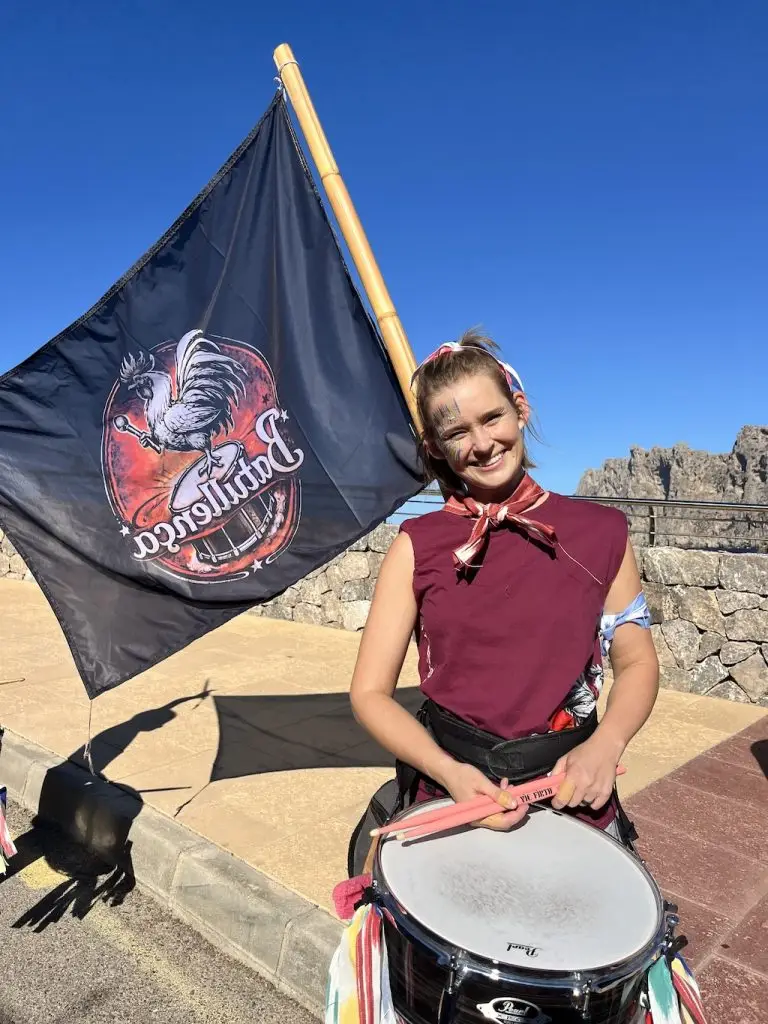
Using escalators to find my dreams
In my mid-twenties, instead of celebrating a rising career in the German film industry, I moved to the US. I couldn’t wait to get out of the country I had been forced to live in years earlier.
Moving to the US came easily to me. As an actress and aspiring filmmaker, America was the country of my dreams. At least, all the films I was interested in were made there. I moved to LA – obviously – and I loved it. Even when times were hard. But there was no time to think about those hard times.
LA is like an escalator in the Moscow Metro.
European escalators are calm. You step onto one, it carries you gently towards your destination, and you keep walking at the same pace, as if there had never been an interruption in between.
That’s Europe.
The escalators in the Moscow Metro are different. Because they transport ten times as many people per second – and because the Metro usually lies three times deeper underground than any subway system in Europe – they move at a devilish speed. You have to be on alert just to time the moment you jump on. Then you’ve got to keep your balance so you don’t stumble and potentially tumble all the way back down the stairs – which by then are already twenty metres above the starting point. So you grab the handrail for dear life and hold on until you reach the top, where you’re spat straight back out.
You fly onto the mosaic floor, shake yourself off and have no idea what just happened to you, where you are or even who you are. Maybe the whole thing was just some crazy dream.
That’s LA for you.
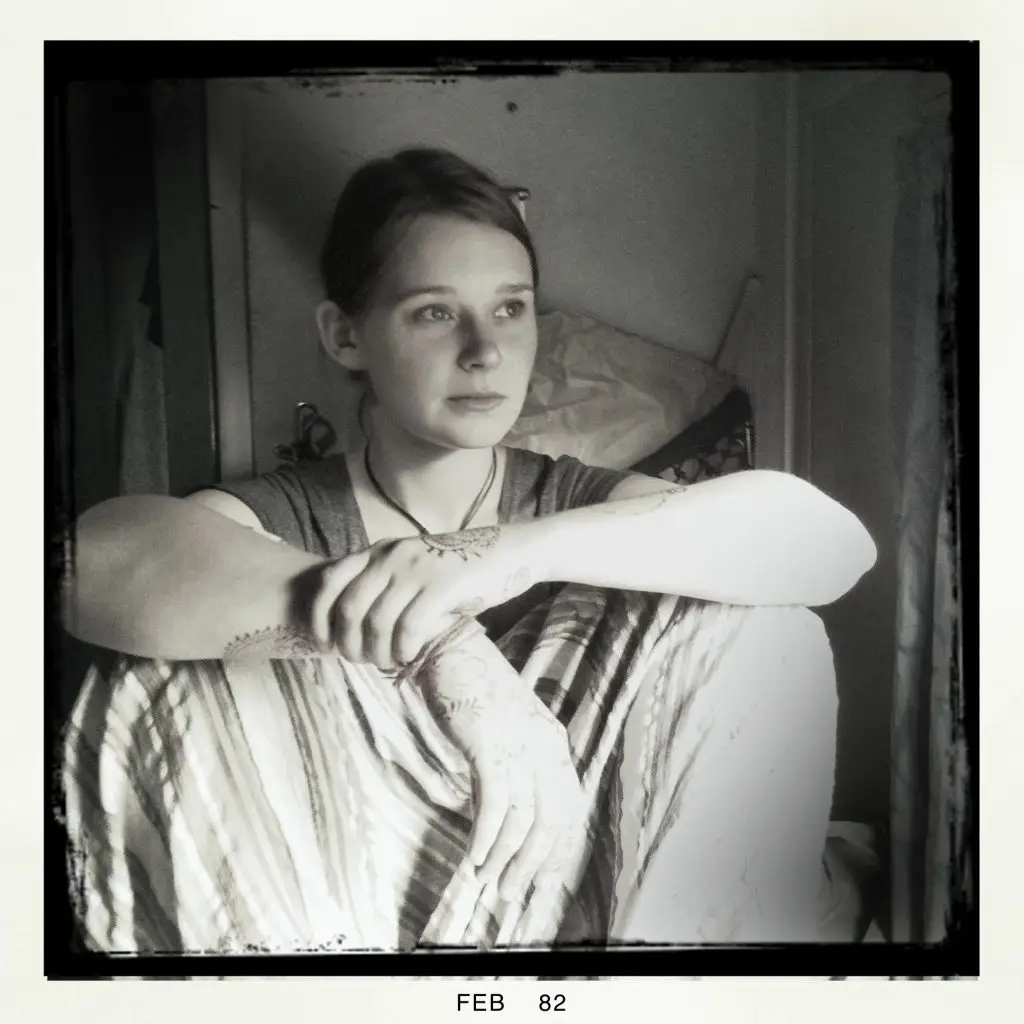
Creating relationships whilst living overseas
In Mallorca, I discovered a new component to moving. The relationship side of it.
We all know the three-month rule, right? For the first three months, everything is wonderful. You’re in love, you live adventures, rushes of bliss shoot through your body at the mere sight of the person you love, and you believe this is the best thing that has ever happened to you. You want to hold on to it forever.
Three months later, the first cracks begin to show. The euphoria fades. You realise that you had a life before the other person joined in, a life that still needs to be lived, complete with work commitments and all the psychological shortcomings you’ve been carrying around since childhood but conveniently shoved into a drawer for those first three months.
And then comes the question: now that I see it for what it really is… do I want to keep going?
That was Mallorca for me.
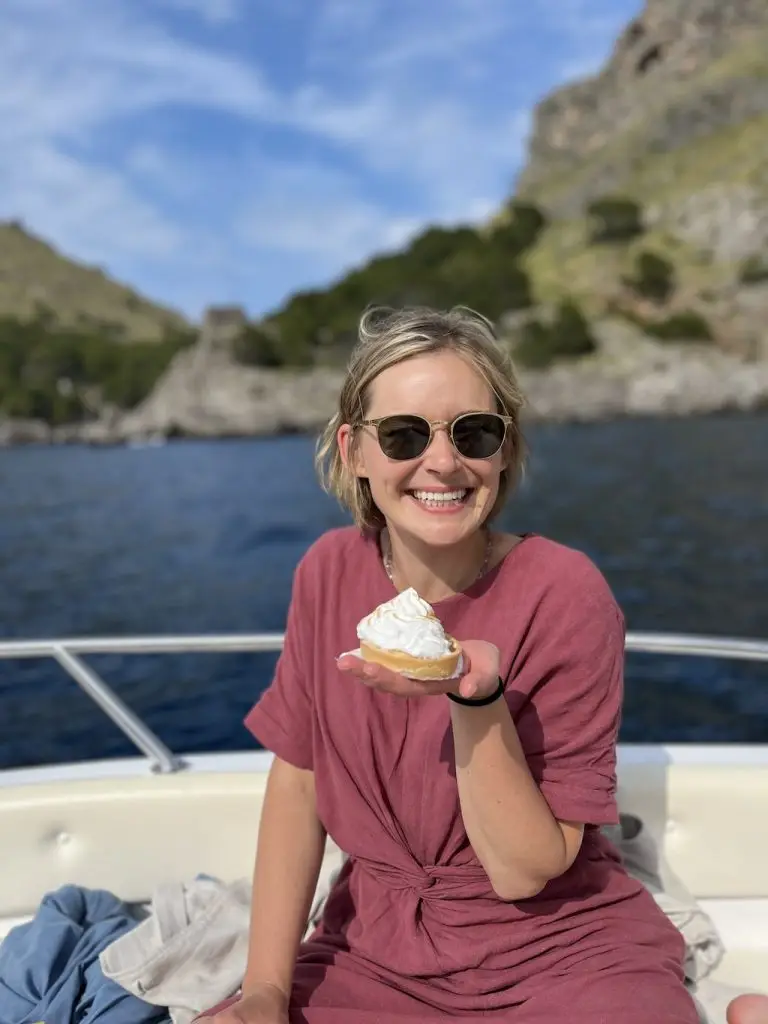
Life in Mallorca in Winter
I found myself on the island almost by accident, after escaping a toxic relationship that had nearly cost me my life. (But that’s another story.)
For the first three months, I was in love. With the people around me. With a summer full of traditional festivals, music, pure joy and freedom, and the beauty of the nature surrounding me. I soaked up the life I had learned to suppress during the years of my relationship.
Then the three months were over.
Winter came. Everyone retreated behind closed windows while storms raged outside. And there it was again. That loneliness of a new world. The loneliness that had always followed me, emerging only in the quiet moments to keep me company.
Searching for hope in my roots
I had moved again. For the third time in my life, I had changed countries. It runs in the family.
My grandmother and her family, too, were plagued by moving. Except back then, it wasn’t called “moving.” It was displacement.
When the Bolsheviks came and put my grandmother’s grandparents on a train bound for the Gulag in the middle of the night, her family was torn from their home. They moved from place to place, searching for a home, somewhere that might give her the sense of safety she had left behind in that small village with her grandparents.
Just as I had left mine. History repeats itself.
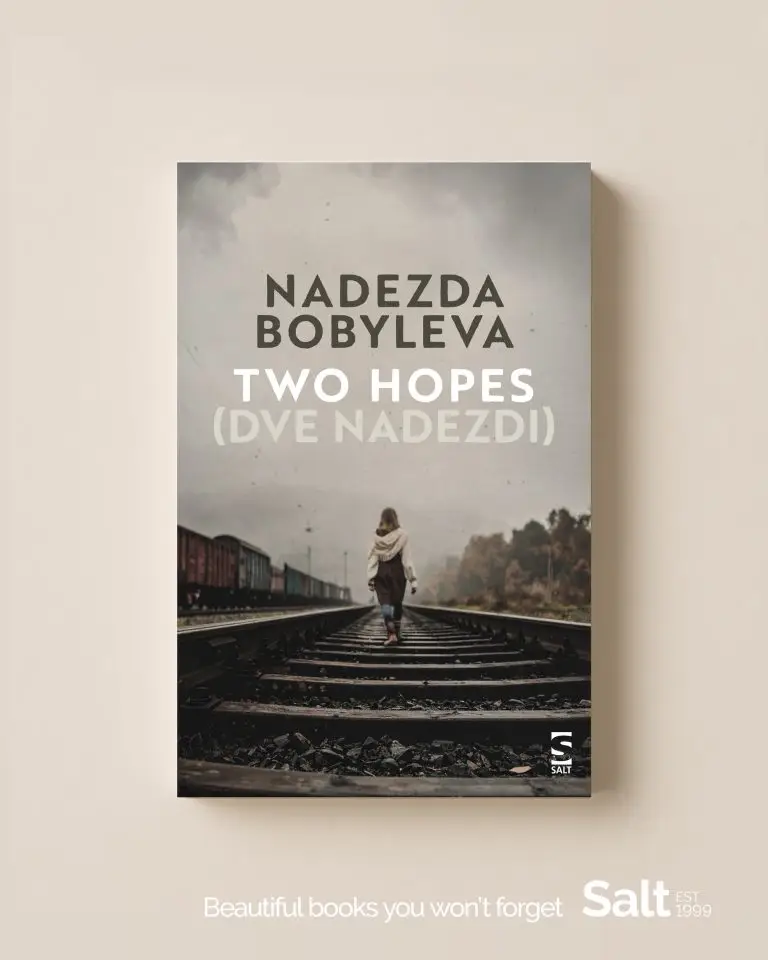
I captured my grandmother’s memories and her journey back to the Ukraine of her childhood alongside my own search for my roots in a book. *Two Hopes*. In Russian – *Dve Nadezdy*.
Hope is the name we both carry through life.
Hope for what?
For a home?
For belonging?
For finally arriving?
Coping mechanisms when living overseas
I have been living on the island for a year now. Even though I’m constantly trying to learn the language, I still struggle to communicate, as if everything I learn gets poured through a funnel into a bottomless hole. I catch myself nodding randomly – just as I did thirty-four years earlier in Germany, when I didn’t understand the question but wanted to appear as if I did – only to realise that what was said to me wasn’t something I could simply nod away, but something that needed a proper answer. One I wasn’t able to give.
How long did it take me to learn German back then? Three years? They say learning gets harder as you get older. Well, that’s just bloody great.
What I did learn at nine years old, however, was how to adapt to my surroundings. If nothing else, that is definitely my superpower.
But in fast-moving places like LA and Mallorca, where people come and go and nothing seems permanent, even that superpower eventually burns out from running nonstop. In your early forties, friendships tend to remain on the surface.
Between work, relationships and long-established friendships, there isn’t much room left for newcomers.
The challenge of the newcomer
Keeping happiness alive in paradise takes hard work. Constant initiative on your part to stop the fragile connections you’ve built from breaking apart again. Constantly making use of the seemingly endless supply of things to do, because, after all, those possibilities are exactly why you came here. You didn’t choose some quiet village tucked away in the mountains.
You need to go to that one party even though you’re exhausted from work, your Spanish, salsa and Pilates classes, band rehearsal and choir, your Thursday hike and yoga on the beach on Wednesdays. When all you really want to do is sit on your couch with your ice cream and watch a movie. You still go. Because if you don’t, it’s as if you’re not here. You’re not part of it.
And at the end of it all, when you’ve seen all your friends and exhausted every activity – and your body along with them – you sit alone in your house, looking out at the mountain, and wonder:
Is it all worth it?
Or does this constant moving, inherited by the body, keep you from feeling the pain — the real loneliness underneath it all?

Nadezda “Nadja” Bobyleva is a writer, actress and filmmaker.
Her debut memoir, *Two Hopes*, will be published by Salt Publishing on 2 November.