Summer in Spain can be beautiful, sociable and full of life, but there are days when the heat becomes something to manage rather than simply enjoy.
Across many parts of the country, especially Andalucía, Murcia, Valencia, the Balearics, inland areas and parts of southern Spain, July and August can bring temperatures above 40ºC. Even if you love the sunshine, that level of heat can leave you tired, uncomfortable and, in some cases, unwell.
For women living in Spain, visiting regularly, working from home, caring for family, walking dogs, hosting guests or trying to keep normal life going, summer often requires a different rhythm.
The good news is that small changes can make a big difference.
Drink water before you feel thirsty
Hydration is one of the simplest ways to protect yourself in the heat.
Keep water in the fridge, carry a refillable bottle when you go out, and try to drink regularly rather than waiting until you feel thirsty. By the time you are thirsty, your body may already be struggling.
Be careful with alcohol too. A cold glass of wine, beer or tinto de verano may feel refreshing, but alcohol can dehydrate you more quickly, especially during the hottest part of the day.
If you are sweating more than usual, eating lighter meals, spending time outdoors or sleeping badly because of the heat, you may need more fluids than you think.
Slow down and change your summer routine
Spain has a different summer rhythm for a reason.
Trying to rush around at 2pm in August is rarely a good idea. Plan errands, dog walks, cleaning, shopping and cooking for early morning or later in the evening. Most offices and some banks open earlier and have shorter hours so do check before you venture out.
This is not laziness. It is common sense.
When temperatures are extreme, even everyday tasks can feel harder. Give yourself more time to get places, take shade breaks, and do not feel guilty for adjusting your day around the heat.
You can still burn in the shade or on cloudy days
One of the biggest summer mistakes is assuming that shade means you are fully protected.
Shade helps, and it is important, but UV rays can still reach your skin indirectly. They can reflect from water, sand, pale walls, pavements and other surfaces. Cloudy days can be misleading too. You may not feel the sun as strongly, but UV radiation can still cause sunburn and skin damage.
That means sunscreen, sunglasses and protective clothing still matter, even if you are sitting under a parasol, walking in partial shade or heading out on a hazy day.
Shade is part of sun protection. It is not the whole solution.
Use SPF properly and do not rely on the number alone
Sunscreen is not just for beach days.
In Spain, you can burn while walking the dog, sitting at a café, gardening, watching children play sport, waiting at a bus stop, shopping at an outdoor market, or walking between appointments.
Use a high SPF on areas that are especially prone to burning, such as the face, shoulders, ears, chest, neck, hands and tops of feet. Reapply regularly, especially after swimming, sweating, drying yourself with a towel or being outside for a long time.
It is also worth understanding what SPF means. SPF30 already filters a very high percentage of UVB rays when used correctly. SPF50 filters slightly more, but it is not twice as protective as SPF30. Very high SPF products can give people a false sense of security, leading them to stay out longer, reapply less often, or forget about shade and clothing.
Once-a-day lotions and sprays can create the same problem. No sunscreen should make you feel invincible. Heat, sweat, water, towels, clothing and time all affect protection.
Choose a broad-spectrum sunscreen that protects against both UVA and UVB rays, check the expiry date, and read beyond the front label. Some spray products and aerosols carry a flammable warning, which matters if you are using them near candles, barbecues, cigarettes or outdoor cooking areas.
It is also sensible to look at the ingredients, especially if you have sensitive skin, allergies, children, or you prefer mineral-based sunscreens. The best sunscreen is one that suits your skin and that you will actually use consistently.
Choose sunglasses with real UV protection
Sunglasses are not just a fashion accessory in Spain.
Strong sunlight and glare can strain your eyes, especially near the sea, by swimming pools, while driving, walking on bright pavements, or spending long days outside. Eyes can become red, sore and irritated from overexposure to UV light, glare, wind and dehydration.
When buying sunglasses, look for proper UV protection. Ideally, choose lenses labelled UV400 or 100% UVA and UVB protection. CE marking is also important in Europe, although it is still worth buying from a reputable seller.
Be careful with cheap or fake sunglasses. Dark lenses without reliable UV protection can be worse than no sunglasses at all, because they reduce brightness and may cause your pupils to open wider while still allowing harmful UV rays through.
Children need proper sunglasses too, not toy lenses.
Wraparound styles can help reduce light coming in from the sides, particularly if you are sensitive to glare or spend a lot of time outdoors.
Wear light clothing, but check the fabric
Loose, light-coloured clothing in breathable fabrics such as cotton or linen can make summer heat easier to manage.
But not all light clothing protects equally from the sun. Very thin fabric may feel cool, but it may also let UV rays through. A simple rule is this: if you can clearly see your hand through the fabric, the sun can probably get through it too.
For long periods outside, choose clothing with a tighter weave, cover shoulders when possible, and use a wide-brimmed hat or cap to help protect your face, ears, scalp and neck.
Keep your home cooler during the day
A few small changes at home can stop the heat building up.
Close blinds, shutters or curtains during the hottest part of the day, especially on windows that get direct sun. Open windows early in the morning or later in the evening when the air is cooler, then close them again before the heat rises.
Fans can help circulate air and are often cheaper to run than air conditioning. Traditional hand fans, battery-operated fans and portable neck fans can also be useful, particularly if you are out and about.
Try not to use the oven during the hottest hours. It can quickly make the kitchen and surrounding rooms uncomfortable.
Eat lighter meals when the heat is heavy
Heavy meals can feel too much during very hot weather.
Cold soups such as gazpacho, salads, fruit, tapas, fresh seafood, yoghurt, smoothies and simple cold plates are often easier to manage. Eating smaller meals more often can also help if your appetite drops in the heat.
And yes, ice cream absolutely has its place in a Spanish summer.
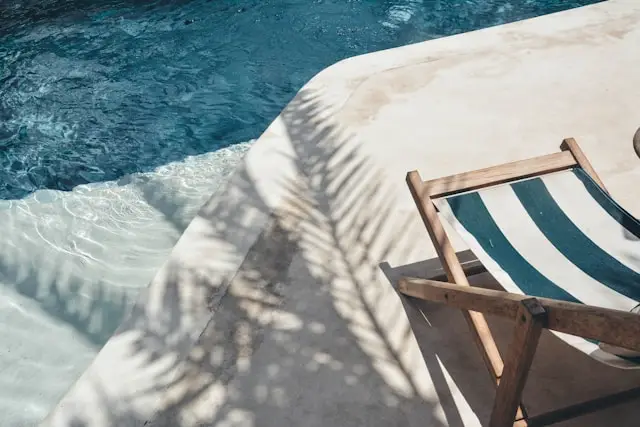
Tropical nights: how to sleep when Spain does not cool down
One of the hardest parts of summer in Spain is not always the daytime heat. It is the night.
During so-called tropical nights, temperatures stay high after dark, making it difficult for the body to cool down and sleep properly. Poor sleep can then make the next day feel even harder.
Try to cool the bedroom before going to bed. Keep shutters or curtains closed during the day, open windows only when the air outside is cooler, and use fans to move air around the room.
A cool shower before bed can help. So can light cotton bedding, loose sleepwear, a glass of water nearby and keeping electronic devices and unnecessary lights off.
If you use air conditioning, try not to set it too low. A room that is cool enough to sleep in is usually better than one that feels icy and leaves you waking up dry, stiff or uncomfortable.
Take care if you work outdoors
Outdoor workers face a much higher risk during extreme summer heat.
If you work in gardening, hospitality, construction, cleaning, events, markets, property viewings, pool maintenance, delivery, guiding, sports, photography or any role that keeps you outside for long periods, heat needs to be planned around.
Water, shade and rest breaks are not extras. They are essential.
Wear a hat, sunglasses and breathable clothing where possible. Reapply sunscreen regularly, especially on the face, ears, neck, shoulders, chest, arms and hands. Try to schedule the most exposed tasks for early morning where you can.
If you employ staff or organise outdoor events, think about timing, shade, water access and whether work can be moved, shortened or adapted during heat alerts.
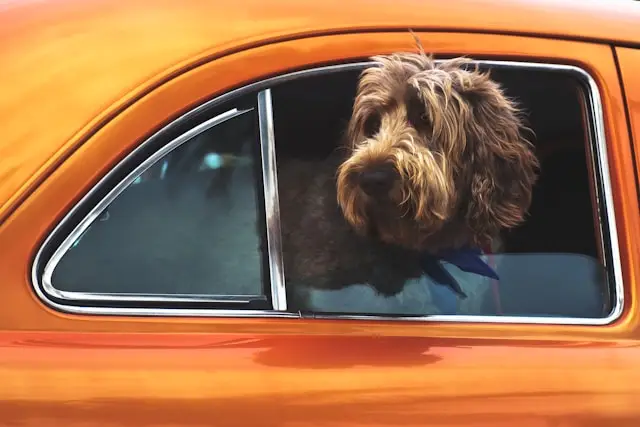
Look after pets in Spanish summer heat
Pets need extra care in the heat, especially dogs.
Make sure animals always have fresh water and a cool, shaded place to rest. If you are out for more than a short time, check that their water cannot easily tip over or become too hot in direct sun.
Dogs should be walked early in the morning or later in the evening, not during the hottest part of the day.
Pavements, roads and beach sand can become painfully hot very quickly. A simple rule is this: if you cannot comfortably stand on the sand or pavement with bare feet, your dog should not be walking on it either.
Beach days can also be too much for dogs in summer, even when there is a breeze. Sand, glare, heat, salt water and lack of shade can all become a problem. Some towns have dog friendly beach areas so if your dog is with you, think carefully about timing, shade, water and whether it is kinder to leave them somewhere cool and safe.
Cooling mats can help dogs rest more comfortably at home. A cool damp towel for them to lie on, or placed gently under their belly, can also help bring their temperature down. Never use ice-cold water suddenly on an overheated dog unless advised by a vet, as cooling should be careful and controlled.
Older animals, puppies, overweight dogs, thick-coated breeds and flat-faced breeds such as pugs, bulldogs and French bulldogs are especially vulnerable in hot weather.
And never leave a pet in a parked car, even for a few minutes.
Never leave children or pets in parked cars
This point is worth saying clearly.
Never leave a child or pet in a parked car in summer, even if the window is slightly open, even if the car is in partial shade, and even if you think you will only be gone for a few minutes.
In Spanish summer heat, the temperature inside a vehicle can rise dangerously fast.
It is not worth the risk.
What to do if you get sunburnt
If you burn, get out of the sun as soon as possible.
Cool the skin with a cool shower, bath or damp towel, drink water, and use aftersun or an unperfumed moisturiser to soothe the area. Avoid tight clothing that rubs the skin.
Most importantly, do not expose burnt skin to the sun again while it is healing.
It is very common to see people sitting in the sun with obvious burns, but burning already damaged skin can make things worse. Skin needs time to recover. Cover the area, stay in the shade, and avoid direct sun until the redness and soreness have gone.
Do not pop blisters or pick peeling skin. If the burn is severe, blistering, very painful, affects a baby or child, or comes with dizziness, fever, chills, nausea or confusion, seek medical advice.
Know the signs of heat exhaustion
Heat can affect people gradually.
Warning signs may include dizziness, headache, tiredness, heavy sweating, muscle cramps, feeling sick, rapid breathing, a fast pulse or feeling unusually weak.
If you or someone else starts to feel unwell, move to a cooler place, drink water, rest, loosen tight clothing and cool the body with damp cloths, fans or a cool shower.
Swollen feet, ankles or legs can also be more noticeable in hot weather, especially after travel, long periods standing, or not moving enough. Mild swelling may ease with rest, hydration and elevating the legs, but sudden, painful, severe or one-sided swelling should be checked by a medical professional.
If symptoms become severe, confusion develops, someone faints, or their condition does not improve, seek medical help.
Keep an eye on heat alerts and UV levels
Weather forecasts are not just useful for planning beach days.
During summer, it is worth checking heat warnings, UV levels and local weather alerts before planning outdoor activities, long drives, hikes, markets, day trips or events.
Spain’s heat can vary hugely by region. Coastal breezes may make the air feel more comfortable, but they do not remove the risk of sunburn or dehydration. Inland towns can feel dramatically hotter, especially in the afternoon.
Planning around the forecast can help you avoid the worst of the day.
What is the best time to go out in Spain during summer?
Early morning and later evening are usually the most comfortable times to go out during the hottest months.
If you need to shop, walk, exercise, travel, visit markets, take children out or walk dogs, aim for the cooler parts of the day. The middle of the day is usually better kept for rest, indoor tasks or quiet time in the shade.
How can you keep cool without air conditioning?
You can keep your home cooler by closing blinds and shutters during the hottest hours, opening windows only when the air outside is cooler, using fans, avoiding oven cooking during the day, and keeping lights and unnecessary appliances off where possible.
Cool showers, light clothing, chilled drinks, shade and slower routines also help.
Air conditioning can be useful, but it is not the only answer.
Is it safe to exercise in Spain during summer?
Exercise needs more care in hot weather.
Early morning is usually the safest time. Avoid intense exercise during the hottest part of the day, drink plenty of water, wear breathable clothing, and reduce the intensity if the heat feels heavy.
Even if you are normally fit, extreme heat places extra strain on the body.
A slower pace is part of summer survival
Spain is a wonderful place to live and visit, but summer heat deserves respect.
Drink water. Wear SPF. Protect your eyes. Take shade breaks. Check on friends, neighbours and pets. Move slowly when the day demands it.
Sometimes the most sensible thing you can do is pause.
In the hottest weeks of the year, slowing down is not giving in to the heat. It is how you stay well enough to enjoy the season.